7 Common Signs of Sleep Apnea You Shouldn’t Ignore
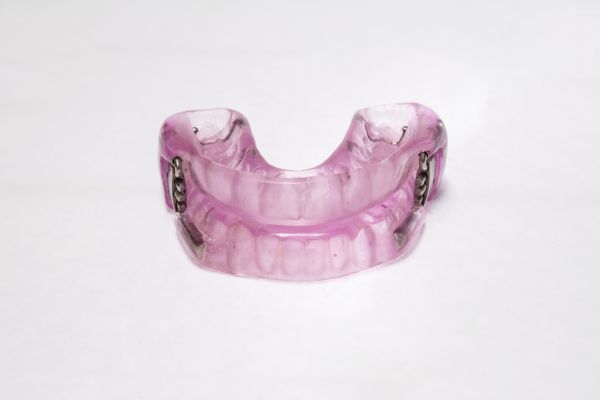
Identifying the warning signs of sleep apnea is a proactive way to address nighttime breathing interruptions before they affect your cardiovascular system or energy levels. This condition involves breath repeatedly stopping and starting during the night, which prevents the body from receiving enough oxygen. While many people are unaware of these struggles while asleep, the physical and mental consequences are clear during the day. Recognizing the symptoms is the first step toward better rest and protecting your long-term health.
7 Common signs of sleep apnea that warrant a trip to the general dentist
1. Loud and persistent snoring
Chronic, heavy snoring is a visible indicator that the airway is partially blocked. This sound happens when air forces its way through a narrowed passage, causing throat tissues to vibrate. While occasional snoring can stem from allergies or sleeping positions, persistent snoring suggests a structural issue. Partners often notice this first, as the sleeper rarely hears the noise. When snoring is disruptive and consistent, it means the respiratory system is working harder than it should to move air.
2. Observed pauses in breathing
A definitive red flag for sleep apnea is actual cessations of breathing witnessed by an outside observer. These pauses can last anywhere from several seconds to a minute and may happen dozens of times within a single hour in severe cases. The body eventually recognizes the drop in oxygen and forces a brief awakening to resume breathing, though the person rarely remembers these interruptions. This fragmented sleep prevents the individual from reaching the deep, restorative stages of rest required for physical and mental repair.
3. Nighttime gasping or choking
Sudden waking while gasping or choking is a direct signal from the body's respiratory system. This physical reaction happens when the brain forces the individual to take a breath after an extended period of airway obstruction. Such episodes often lead to a racing heart, a sense of panic, and difficulty falling back asleep. Even if these moments seem brief, they indicate that the throat tissues are collapsing enough to completely stop the flow of air. Consistent episodes of gasping suggest that the obstruction requires professional intervention to stabilize the airway, reposition the jaw, and protect the heart.
4. Extreme daytime fatigue
Exhaustion that lasts throughout the day is a common sign of poor nighttime oxygenation (taking in oxygen). Some may find it difficult to stay alert during quiet activities, such as reading, meetings, or driving. This level of fatigue is more intense than normal tiredness because the brain never enters a deep sleep state long enough to recover. In turn, individuals often rely on caffeine to get through a workday, which is a frequent coping mechanism for those with untreated sleep issues.
5. Frequent morning headaches
Waking up with a dull, throbbing headache often points to the fluctuations in blood pressure and oxygen levels caused by sleep apnea. These headaches typically occur in the forehead or temples and may dissipate shortly after a person resumes normal breathing during the morning routine. The pain stems from the strain placed on the cardiovascular system as the body struggles to maintain oxygen levels throughout the night. The dentist also looks for signs of teeth grinding, which frequently occurs alongside these headaches as the jaw tries to open the airway. Addressing the root cause of the breathing obstruction often leads to the elimination of these recurring pains.
6. Waking with a dry mouth or sore throat
A parched oral environment or a scratchy throat upon waking suggests that a person is breathing through the mouth to compensate for a blocked airway. Saliva is essential for protecting the teeth from decay, so a lack of moisture during the night increases the risk of cavities and gum inflammation. During an evaluation, dentists note dry, irritated tissues or specific wear patterns on the teeth that suggest a nightly struggle for breath. This symptom is particularly common in those who snore, as the constant airflow dries out the mucous membranes in the mouth and throat.
7. Mood changes and mental fog
The cognitive impact of sleep deprivation often manifests as irritability, anxiety, or a general inability to focus on complex tasks. The brain requires a steady supply of oxygen and deep sleep to manage emotions and process information effectively during the day. When the sleep cycle is constantly interrupted, memory problems and a short temper become common hurdles in personal and professional life. These mood shifts can strain relationships and decrease productivity, yet they are often solved by improving nighttime breathing. Recognizing that these mental changes are linked to physical rest is a key part of finding an effective treatment.
Schedule an evaluation
Recognizing the signs of sleep apnea helps protect your heart and brain from the damage caused by oxygen deprivation. From loud snoring to daytime fatigue, these indicators show that your respiratory system needs professional attention. Are you experiencing any of the above symptoms? Contact Transform Dental to schedule an evaluation and receive treatment.
Request an appointment here: https://transformdentalfl.com or call Transform Dental at (941) 205-0994 for an appointment in our Ellenton office.
Check out what others are saying about our dental services on Yelp: Do I Have Sleep Apnea in Ellenton, FL.
Related Posts
Sleep apnea can affect breathing, energy levels, and overall health, and a dentist may play an important role in supporting treatment. While a physician or sleep specialist provides the diagnosis, a general dentist can identify possible signs during routine exams and provide oral appliance therapy when appropriate. This collaborative approach helps patients receive care that…
Sleep apnea can affect far more than nightly rest, as it often influences breathing patterns, oral health, energy levels, and overall wellness in ways that compound over time. While many people think of this condition as a sleep issue alone, the mouth, jaw, tongue, and surrounding tissues often play an important role in the warning…
Sleep apnea, also called obstructive sleep apnea (OSA), is a common condition that affects more than 50 million people in the United States and more than 1 billion people worldwide. In this review, we discuss the signs of sleep apnea that indicate a need for a professional diagnosis.The most common indicators of sleep apnea are…
If your smile needs a total reset due to years of damage, full-mouth reconstruction may be the solution. Many people feel as though they are stuck in a cycle of fixing one tooth just as another one breaks. This patchwork approach to dentistry can be exhausting and expensive. By viewing the mouth as a whole system…