Signs of Sleep Apnea
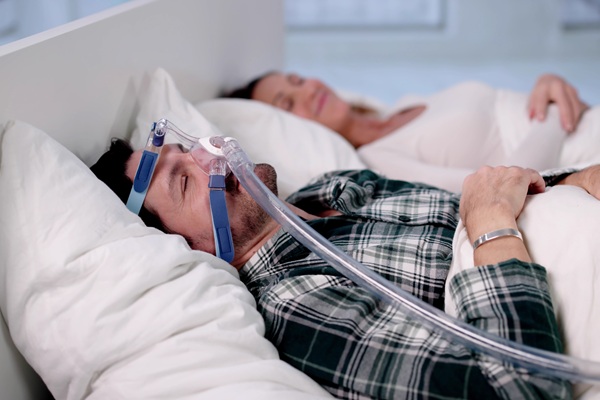
Sleep apnea, also called obstructive sleep apnea (OSA), is a common condition that affects more than 50 million people in the United States and more than 1 billion people worldwide. In this review, we discuss the signs of sleep apnea that indicate a need for a professional diagnosis.
What are the most common signs of sleep apnea?
The most common indicators of sleep apnea are snoring, gasping for air, dry mouth, morning headaches, daytime sleepiness, fatigue, irritability, mood swings, and depression. Here is a closer look at each symptom and why it occurs as a result of sleep apnea.
Loud and constant snoring
Snoring occurs when the air passageway is partially blocked, commonly due to sleep apnea. For this reason, the majority of individuals who are diagnosed with sleep apnea report that they snore. This is often noticed by a partner, roommate, or family member, who may find it difficult to sleep due to the loud and constant snoring.
Gasping for air while asleep
When a patient has sleep apnea, their soft tissue relaxes once they reach deep sleep. This causes the airway to close in many cases, which leads to the patient waking suddenly and gasping for air. Not only is this a scary occurrence, but it can also lead to a lack of sleep throughout the night as the patient continually wakes up.
Dry mouth
As the patient's obstruction grows more extensive throughout the night, their mouth opens more in an attempt to get more air into the passageway. This means the mouth is open throughout the night, subsequently causing a decrease in moisture and saliva, so most patients with sleep apnea experience dry mouth. This can increase the likelihood of dental issues and cause an uncomfortable feeling in the mouth and throat each night.
Morning headaches
The blockage of the airway while sleeping causes patients with sleep apnea to have oxygen deprivation. As a result, this can lead to headaches throughout the night, particularly when they wake up in the mornings. Morning headaches are often enough to make starting each day a struggle for many who have sleep apnea.
Difficulty sleeping (insomnia)
Patients with sleep apnea constantly wake up throughout the night due to their airways closing. Additionally, they may also wake up due to their snoring or by a partner who is affected by their snoring. Overall, this leads to difficulty sleeping, which is also known as insomnia.
Daytime sleepiness and fatigue
The lack of sleep throughout the night often causes severe fatigue and daytime sleepiness. This makes people with sleep apnea far less productive than they likely would otherwise be, and it can impact their level of overall contentment and happiness each day.
Irritability
Many who have sleep apnea also display extreme irritability. This is often at its worst in the mornings, as the individual is still tired due to a lack of sleep and may experience morning headaches that negatively impact their mood. The irritability often carries throughout the day and may have a negative impact on their interactions with others and subsequently, on their relationships overall.
Mood swings
As one might expect from someone who has difficulty staying asleep and may experience morning headaches and fatigue throughout the day, patients with sleep apnea may display mood swings. In fact, patients with sleep apnea are at greater risk of anxiety, panic disorder, and bipolar disorder. The good news is that individuals who exhibit mood swings as a direct result of their sleep apnea often see their overall mood, emotional stability, and mental health improve with an effective treatment plan.
Depression
Depression is a common sign of sleep apnea. Sleep apnea may contribute to depression for a multitude of reasons. The first and perhaps the most obvious reason is that patients with sleep apnea are generally sleep deprived, which may lower their mood overall. Also, in many cases, sleep apnea leads to feelings of hopelessness, particularly if the patient does not have an effective treatment plan in place or perhaps does not know that their symptoms are the result of sleep apnea.
Experiencing signs of sleep apnea? Contact us today
If you have noticed that you exhibit one or more of these sleep apnea symptoms and would like to receive a professional opinion, then please do contact us today. If you have sleep apnea, then we can diagnose it and provide a treatment plan in order to help you reduce (or even eliminate) the symptoms.
Get more information here: https://transformdentalfl.com or call Transform Dental at (941) 205-0994
Check out what others are saying about our dental services on Yelp: Do I Have Sleep Apnea in Ellenton, FL.
Related Posts
Sleep apnea can affect breathing, energy levels, and overall health, and a dentist may play an important role in supporting treatment. While a physician or sleep specialist provides the diagnosis, a general dentist can identify possible signs during routine exams and provide oral appliance therapy when appropriate. This collaborative approach helps patients receive care that…
Identifying the warning signs of sleep apnea is a proactive way to address nighttime breathing interruptions before they affect your cardiovascular system or energy levels. This condition involves breath repeatedly stopping and starting during the night, which prevents the body from receiving enough oxygen. While many people are unaware of these struggles while asleep, the…
Sleep apnea can affect far more than nightly rest, as it often influences breathing patterns, oral health, energy levels, and overall wellness in ways that compound over time. While many people think of this condition as a sleep issue alone, the mouth, jaw, tongue, and surrounding tissues often play an important role in the warning…
If your smile needs a total reset due to years of damage, full-mouth reconstruction may be the solution. Many people feel as though they are stuck in a cycle of fixing one tooth just as another one breaks. This patchwork approach to dentistry can be exhausting and expensive. By viewing the mouth as a whole system…